 By admin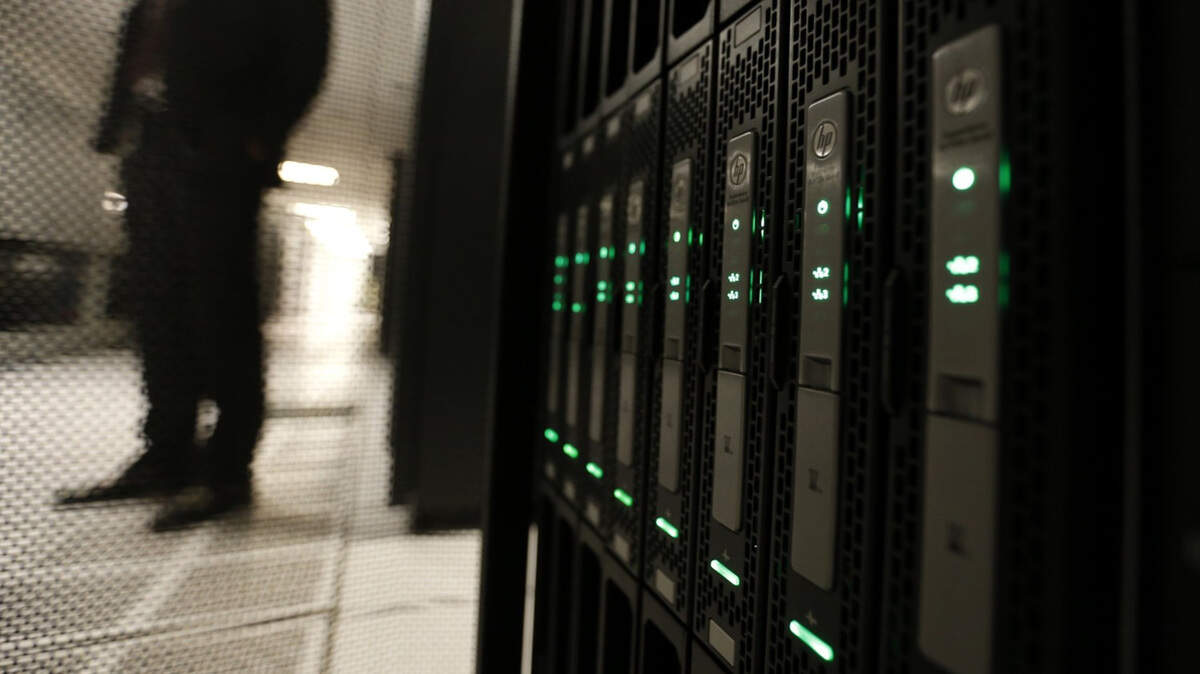
Following the mayor’s call this week for staff to study potential policies for data centers — and a report that a company may propose such a project in southeast Sacramento — leaders offered assurances the city’s policies around data centers would be determined through a public process.
Read more Interstate 5 lane, on-ramp closures to cause delays in Sacramento this weekend
The city’s planning director said amending the zoning code to allow data centers in Sacramento would require multiple public hearings. A city councilmember called for a public discussion to guide Sacramento’s policies around data centers, and Mayor Kevin McCarty said he planned to hold such a meeting. The head of an area business council urged city leaders to lay groundwork for such proposals.
The city has yet to receive any applications to establish a data center here, but a report published Tuesday morning by PBS KVIE’s Abridged said a New York-based industrial real estate firm, Link Logistics, had been in talks with the Sacramento Municipal Utility District about a potential, “large load” data center in the city. At a council meeting Tuesday afternoon, McCarty asked staff to study potential data center policies with consideration for energy, water, infrastructure and neighborhoods, “to be prepared if and when a project comes our way.”
Sacramento Planning Director Greg Sandlund said in an interview Wednesday that in order to allow such a project, the city would have to amend its zoning code to establish data centers as defined land use.
“If something isn’t in our zoning code, then you can’t do it, citywide,” he said.
The city would have to create a definition of what a data center is — perhaps multiple definitions, for different scales of data centers — and indicate which zones could permit that use, Sandlund said. It would also have to determine whether a data center should require a conditional use permit. The process would be done, he said, “in a transparent way where people can participate, attend hearings, contact staff.”
The city went through the same steps, Sandlund said, around 15 years ago when cannabis dispensaries emerged. They were different from tobacco and alcohol businesses, and there were concerns aired by the community about how they may be regulated and where they would be located. In that context, the city established a land use definition for cannabis dispensaries, then for cultivation, distribution, testing and manufacturing sites.
Councilmember Lisa Kaplan said she began looking into the issue last month, after receiving noise complaints from constituents in her district about a nearby data center on county land. The city’s codes, she said, “are silent” on the issue of data centers, and she believes the council must have a public discussion.
Kaplan said she would support a ban of very large data centers, and she would want input from city staff to guide her on smaller proposals. Kaplan said she and Vice Mayor Karina Talamantes were working on a request for city staff to create a policy that addresses environmental and noise concerns.
“I believe we have an obligation to be open and transparent,” Kaplan said. “This is something that we all have to address together, as a council. And I’m hoping that the mayor and the city manager lead in bringing this item for discussion at council.”
McCarty said in an interview Wednesday afternoon that he would have a public discussion with the full council on data center policy.
Read more Sacramento Republic FC to open preview center for new Railyards stadium
“In large part, we want to quell some of the fears from residents who are calling, saying, ‘Hey, don’t approve any more of these. Don’t build any more,’” McCarty said. But, he continued, “We’re not building any of them. They’re not in the city.”
Because data centers aren’t currently included in the city’s zoning code, he believed there was no need for a moratorium. McCarty said he wants to learn more about the potential impacts on residents, water and energy before taking a stance in favor or against the construction of any data centers in the city.
“Right now, I have way more questions than answers,” he said. “I think we need to address those before we do anything.”
John Vignocchi, CEO of the Sacramento Regional Business Leaders Council, sent a letter to city leaders Wednesday, urging them to set the groundwork for data center projects.
Across the country, local governments have taken a wide range of approaches to regulating data centers, said Dave Owen, a professor at UC Law San Francisco, specializing in environmental law. Some are courting data centers — even subsidizing them. Others are banning them outright.
It is worth studying whether local water suppliers can meet the need of any significant proposed project. But he said he would be more concerned about issues related to power consumption.
The perception of data centers among the public has deteriorated, in part because of how quickly they have proliferated, he said.
“We’re seeing how people feel about a land use that comes in rapidly, without much process, and it’s new and unfamiliar,” Owen said.
If there is a system for the community to find out about a proposed project’s potential water and power usage, and whether a specific location makes sense for the area, Owen said, that can help the public either feel comfortable with a project, or make an informed decision to reject it.
Read more Ohtani, Correa and more: How star’s injuries could reshape MLB’s postseason