 By admin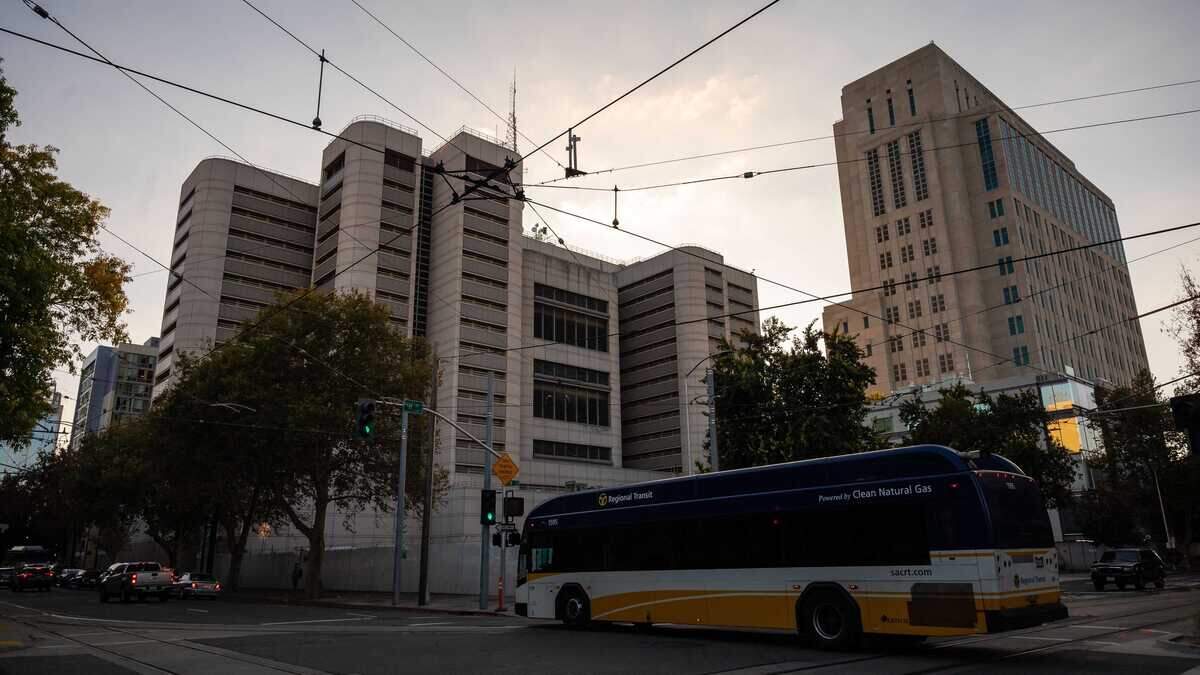
Sacramento faces critical decisions on transit emissions, community safety and traffic congestion. Here’s a recap of the top stories from around the region.
Read more Man sentenced for attempted murder of Sacramento police officer in 2021 shooting
- Sacramento Regional Transit is delaying its transition to a zero-emission bus fleet by purchasing 78 compressed natural gas buses, including 29 that were originally slated to be hydrogen fuel-cell electric vehicles. The move puts the agency at odds with a California Air Resources Board requirement that all transit agencies operate only zero-emission buses by 2040. RT spokesperson Jessica Gonzalez said compressed natural gas is a technology the agency can support today, citing existing fueling infrastructure and maintenance capabilities. The 49-bus purchase from Gillig still requires an exemption from CARB, with an application expected in November.
- Two women were attacked outside Badlands nightclub in Lavender Heights around 2:40 a.m. Monday, intensifying safety concerns in the midtown Sacramento LGBTQ neighborhood. One woman was injured and treated at the scene, and told authorities a phone and hat were taken before the attackers fled on 20th Street. The assault came days after Joseph “Joey” Sais, a Sacramento City Hall employee, was chased and beaten outside Badlands by a group of men who yelled homophobic and racist slurs. Badlands director of operations Brian Aranda said the club is increasing its security presence after closing hours and shared surveillance footage with investigators.
- California ranked as the third most congested state in the country in 2025, with drivers in major cities losing more than 100 hours a year to traffic, according to the TomTom Traffic Index. Los Angeles ranked 25th worst globally, with drivers losing 83 hours during rush hour annually, while San Francisco had the sixth worst congestion in North America. Sacramento drivers spend 68.7% of their time on highways, and nearly one-third of California’s roads are in poor condition, the American Society of Civil Engineers said. Transportation for America argues that widening highways can actually increase congestion by encouraging more driving.
This report was produced with the assistance of a proprietary tool powered by artificial intelligence based on our own originally reported, written and published content. Before publishing, journalists reviewed this content in compliance with McClatchy Media’s AI policy.
Read more Judge ‘inclined’ to halt construction on planned Northern California ICE complex