 By admin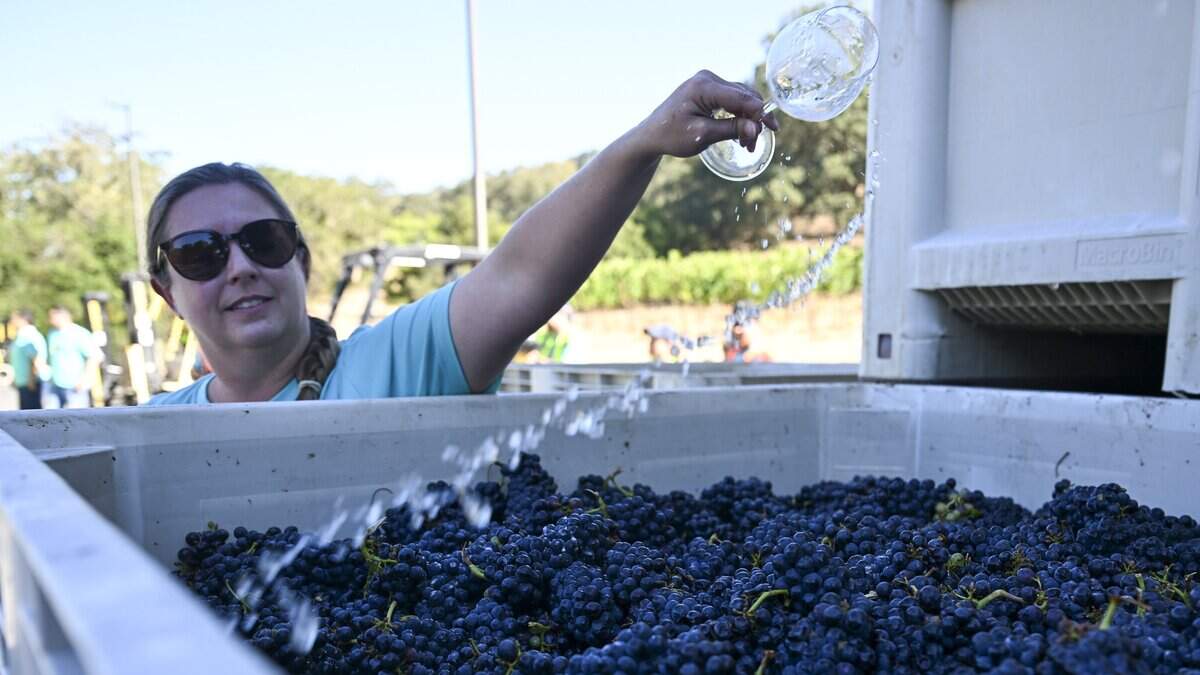
Wine grape harvest in California is off to an early start this year due to an unseasonably warm March and spring weather that led to many vines having smaller grape clusters.
Read more Sacramento County adopts new rooster rules after noise complaints. What to know
Growers, winemakers and their associations said that many grape clusters didn’t fully develop — a phenomenon in the industry known as “shatter” — as a result of rain and wind.
Some regions of the state are further along in fruit maturation than others, particularly the Central Coast, according to the California Association of Winegrape Growers. Fruit is ripening about three to four weeks ahead of schedule. Santa Barbara County growers picked sparkling wine grapes on June 30, the earliest harvest they can remember, the statewide wine grape association said. Napa and Sonoma growers are also already picking fruit.
Some regions estimate that they will see half the tonnage of an average year, the statewide grape association said.
About five years ago, a lighter harvest might have spelled trouble for wine grape growers who rely on tonnage for sales. This year, industry representatives said a lighter yield may allow for a course correction to the oversaturated grape and wine markets. Grape growers and winemakers have struggled to sell products for years as consumer demand has plummeted. Many grape growers have left fruit to rot on vines.
“With this particular challenging marketplace, the lighter crop is going to help us reset the marketplace balance,” said Karissa Kruse, CEO of Sonoma County Winegrowers, an association that represents 1,800 growers. “…This is a good year for less is more.”
For Kruse’s association, this is the earliest harvest on the books in the last 30 to 40 years. Based on what she is hearing from growers of all types of grape varieties, Kruse expects a harvest that is between 35-50% lighter for the county — which she called “quite extreme.”
Read more Red Flag Warning for northern California; Sacramento heat for State Fair
She’s hoping a lighter crop could bring estate wineries out of the woodworks to buy grapes from other producers. Another bonus, Kruse said, is that the quality of the grapes should be “off the charts” because smaller berries lead to a more intense flavor concentration in the fruit.
Tami Lotz, winemaker for sparkling wine brand Mumm Napa — a label owned by the large California beverage company Trinchero Family Wine and Spirits — said in a statement that this year’s harvest is “notably early,” with 2015 the last year she can remember harvest being at this point in July.
Lotz does not know how much lighter this year’s grape crop will be, but she said she does “not expect any impact on the quality of our wines” or on availability or sales. The winery’s estate vineyard is 110 acres, and the brand also sources grapes from other growers.
On top of the weather disruptions causing tonnage reductions, the overall yield for the wine grape harvest will be smaller compared to previous years due to the number of wine grape growers who have left uncontracted fruit unfarmed and removed vines.
This year’s grape crush from the U.S. Department of Agriculture’s National Agricultural Statistics Service shows wineries crushed 2.62 million tons of wine grapes in the Golden State in 2025, down over 8% from 2024.
Read more Experts warned of Venezuela’s earthquake risks for decades. Little done, they say