 By admin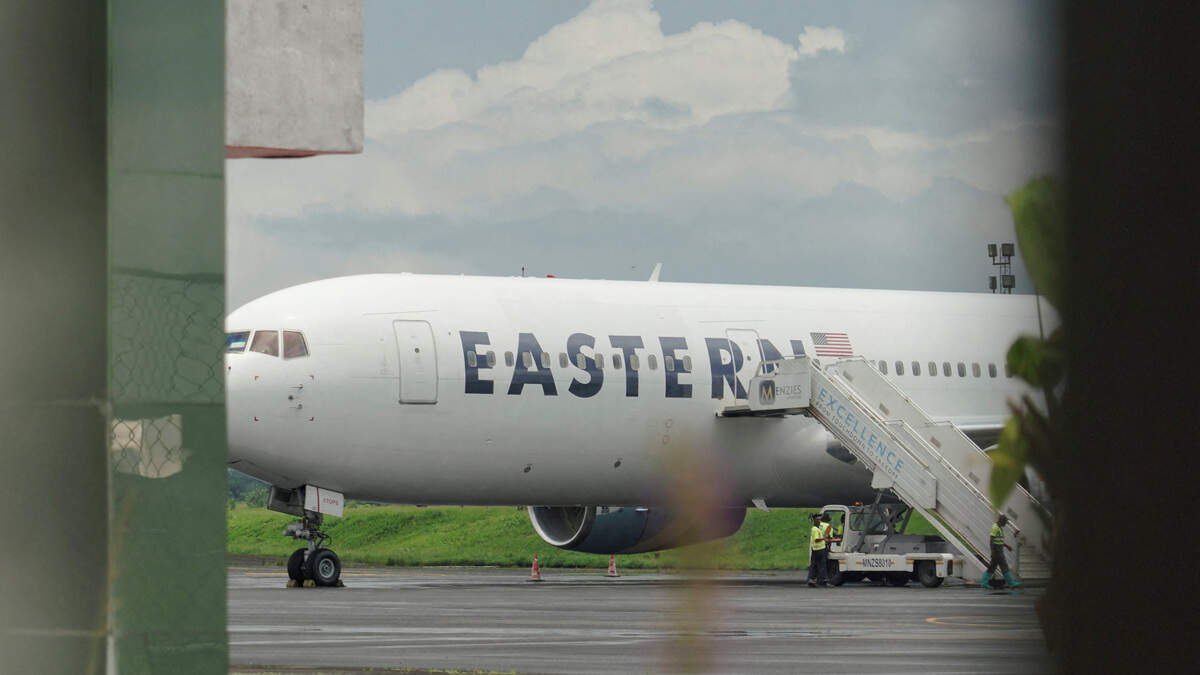
The U.S. Supreme Court said Tuesday it will allow the Trump administration to continue deporting immigrants to third countries — a controversial policy that has sent Cuban residents of South Florida to African nations — until it hears arguments and decides the case.
Read more California is losing organic cropland — even as demand rises. What’s going on?
the high court nullified a February order from a federal judge in Massachusetts who declared the Trump administration’s own guidance on how it sends immigrants to third countries illegal and unconstitutional. That ruling required the federal government to give “meaningful notice” to the person about where they would be sent and to allow them to challenge the third-country deportation.
Earlier this month, a federal appeals court upheld most of the Massachusetts judge’s ruling. In turn, the Trump administration asked the Supreme Court to intervene, arguing that the grounds for the order were “improper” and undermined diplomatic relations.
On Tuesday, the Supreme Court did not respond to the government’s claims, but granted its request to temporarily suspend the federal judge’s order.
The court set the case for a hearing in December and ordered both sides to prepare arguments over whether the judge in the case court could grant class-action status to the immigrants involved and whether the high court has authority to decide the case. It also said it will hear arguments over whether the government’s guidance on third-country removals was lawful under federal immigration law and the Constitution.
“The stay shall terminate upon the sending down of the judgment of this Court,” the sparse order states. Justices Elena Kagan, Sonia Sotomayor and Ketanji Brown Jackson opposed granting the government’s request for a stay.
In a statement to the Miami Herald on Tuesday, the Trump administration celebrated the development.
“DHS’s third country removal policy is back in effect. A bad day for criminal illegals and open borders activists alike. It’s not too late to get $3,000 and a flight home,” said James Percival, general counsel for the Department of Homeland Security.
Read more Poll says Kiley, Pan virtually tied in Sacramento-area 6th District House race
The Supreme Court order is the latest emergency intervention from the nation’s highest court in federal cases related to Trump’s immigration policies. Last year, the court gave the green light to the government to end Venezuela’s Temporary Protected Status.
It also comes weeks after the Trump administration sent Venezuelans and Cubans to Equatorial Guinea and Liberia. The Herald spoke to several Cubans in Equatorial Guinea, who said they were being held indefinitely in a hotel without access to lawyers, healthcare or freedom of movement. They were long-time residents of Florida, some from Miami.
As a way to ramp up deportations, the Trump administration has started sending people it cannot deport to their home countries to nations that agree to accept them. Those immigrants cannot be sent to their own countries, either because their governments won’t take them back or because they have made credible claims they would suffer torture or other harm if deported home.
To get around that, the Trump administration has brokered deals with several nations, awarding them money in exchange for their taking the deportees. But some of those countries are under U.S. “do not travel” advisories, and others are governed by repressive regimes. While the countries have made assurances as part of the agreements with the U.S. that the deportees won’t be harmed, experts and lawyers say that they are not credible.
READ MORE: Stranded in Africa: Miami Cubans are caught in crosshairs of Trump’s mass deportations
The Massachusetts case, filed in March 2025 by immigrants at risk of being sent to third countries, including a Cuban national married to a U.S. citizen, has ping-ponged through the courts. In June 2025, an appeals court dismissed a Trump administration request to strike down a preliminary order from the judge. The Supreme Court in turn granted that request and struck down the preliminary order, and again granted the government’s request on Tuesday.
This story was originally published September 29, 2026 at 2:25 PM with the headline “Supreme Court allows third-country deportations for now, sets case for December.”
Read more Dome Fire has burned in Yosemite National Park for two weeks. We now know the cause