 By admin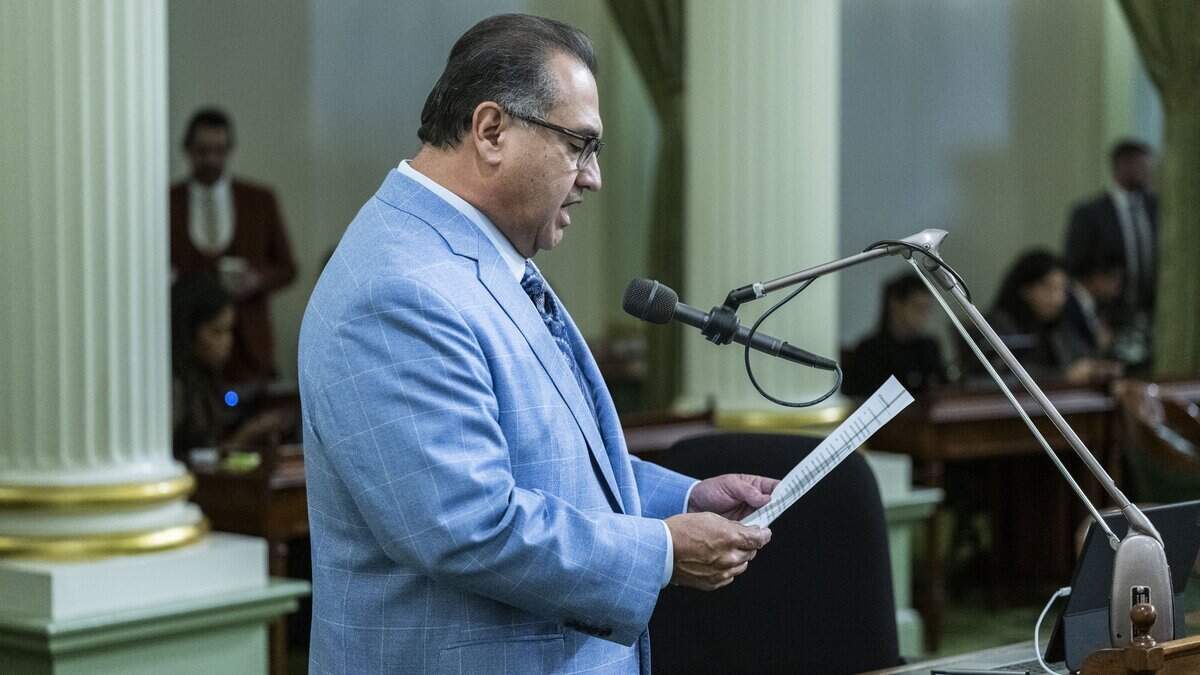
Advocates for California’s Native American tribes on Thursday decried Gov. Gavin Newsom’s vetoing of two bills to give Indigenous people more say in disputes with state agencies over land and water uses.
Read more Your voter guide to the race for California secretary of state
The governor, those critics said, missed an opportunity to take historic apologies he’s made for the state’s past wrongs against Indigenous people and turn them into more concrete changes.
“In 2019, Newsom apologized for California’s violent treatment of Native peoples and promised that the state would ‘begin to heal deep wounds,’” said Morning Star Gali, executive director of Indigenous Justice, in a statement. “But California cannot apologize for the historical suppression of Native religions while continuing that suppression in the present.”
Just last week Newsom, in a more harmonious moment, had signed a bill that took his 2019 apology and enshrined it in state law — issuing an official statement on behalf of the California Legislature and the state judiciary and requiring the placement of a plaque acknowledging the state’s history of atrocities against Indigenous peoples.
“Today’s legislation reflects the many facets of the relationship between California and Native American tribes: great remorse over the violent beginnings of this state, a strong commitment to forging a better path forward together, and great pride and respect for all that the Native community has done and will do,” Newsom said in announcing the bill signing.
But the two bills Newsom vetoed on Wednesday, AB 1881 and AB 2218, sought to redress those historic wrongs by requiring the state to take Indigenous history with land and waterways into account, proponents of them said.
Opponents of the bills, however — mostly water districts and business and agricultural associations — said the measures ceded too much control to tribes and could slow in particular efforts at water development, at a pivotal moment for the state.
“California’s water future depends on our ability to build more storage, modernize infrastructure and deliver reliable water supplies in the face of a changing climate,” said California Chamber of Commerce spokesperson John Myers in a statement. “Both of these bills would have created serious legal barriers to that work.”
Indian Freedom Act
Assembly Bill 1881, The California Indian Freedom Act, was authored by Assemblymember James Ramos, D-Highland, the state’s first and only lawmaker who is an enrolled member of a Native American tribe. Ramos’ bill, sponsored by Indigenous Justice, sought to protect Native Americans’ access to state land and waterways for conducting ceremonies and other spiritual practices.
Its key provisions required state agencies to secure tribal consent before building projects that might affect Indigenous spiritual practices, and allowed tribal governments and individual members to sue if those rights were violated. Ramos had refused to concede those points in the Legislature despite considerable opposition from business and agricultural interests, who wanted him to bring a more narrowly written bill about accessing state property to conduct ceremonies.
In his veto message, Newsom echoed the concerns of those groups, who were led by the Chamber of Commerce and worried the bill gave tribes a form of veto power over state building projects, particularly when it comes to water infrastructure.
“This legislation’s proposed framework could have far-reaching impacts on the basic operations of state government and the management of state property,” Newsom said.
Ramos and other supporters of the bill — which drew Indigenous people from around California to legislative hearings in the state Capitol — have argued that access alone does not guarantee religious practices, if the state is allowed to alter a sacred place or waterway.
Read more Newsom vetoes ‘overly broad’ California bill limiting AI, chatbots in therapy
Last week, Ramos had thanked “Governor Newsom and the First Partner for their support in uplifting tribal voices and continuing to advance these important issues.” A spokesperson for the assemblymember on Thursday directed The Sacramento Bee to Gali and Indigenous Justice for comment on the veto.
“California Indian peoples should not have to continue fighting for the basic ability to practice our religions, conduct our ceremonies, access our sacred places and maintain relationships with the lands that have sustained our peoples since time immemorial,” Gali said in her statement.
Tribal water rights
Assembly Bill 2218 was authored by Assemblymember Ash Kalra, D-San Jose and sponsored by two federally-recognized tribes, the Karuk Tribe and the Shingle Springs Band of Miwok Indians — whose historic territories included the Sacramento Valley and who today have a rancheria near Placerville. The Karuk Tribe manages land along the Klamath River, its ancestral territory for thousands of years.
Kalra’s bill would have added, in essence, an official recognition to state law that California’s water rights system ignores how land was taken from Native Americans during colonization. To address those inequities, the bill required financial assistance to tribes, protection of tribal uses and more consultation on water projects. The bill also required the state water board to consult with tribes whose ancestral territories included water bodies during investigations into water rights.
Opponents, chief among them the Association of California Water Agencies, said the bill threatened to bring a wave of fresh legal uncertainty into water policymaking, which is already litigious.
In his veto message Newsom, like the California Chamber of Commerce, cited the pressing need to address water scarcities driven by climate change. The state must “streamline its water policies,” not further complicate them, he wrote.
Newsom is trying to advance several massive water infrastructure developments and policy changes before he leaves office at the end of the year, including the construction of the massive Sites Reservoir project northwest of Sacramento.
“Adding new sources of uncertainty will delay our urgent fight to secure Californians’ water supplies,” he wrote.
Representatives of the Shingle Springs Band of Miwok and the Karuk called the veto a continuation of their exclusion from momentous decisions about the waterways they’ve lived along and tended to for millennia.
“Newsom’s veto of AB 2218 is a backhanded betrayal of California Tribes and a direct contradiction of his apology and promises of reconciliation,” said Malissa Tayaba, vice chair of the Shingle Springs Band of Miwok Indians. “For nearly 200 years, California has made decisions about our waters without us, disregarding the tribes whose cultures, communities and lifeways depend on them.”
Newsom had instead aligned with “special water interests that profit from extractive and exploitive water management,” Tayaba said.
Read more Bicyclist dies after vehicle hits him at Broadway, Stockton Boulevard in Sacramento