 By admin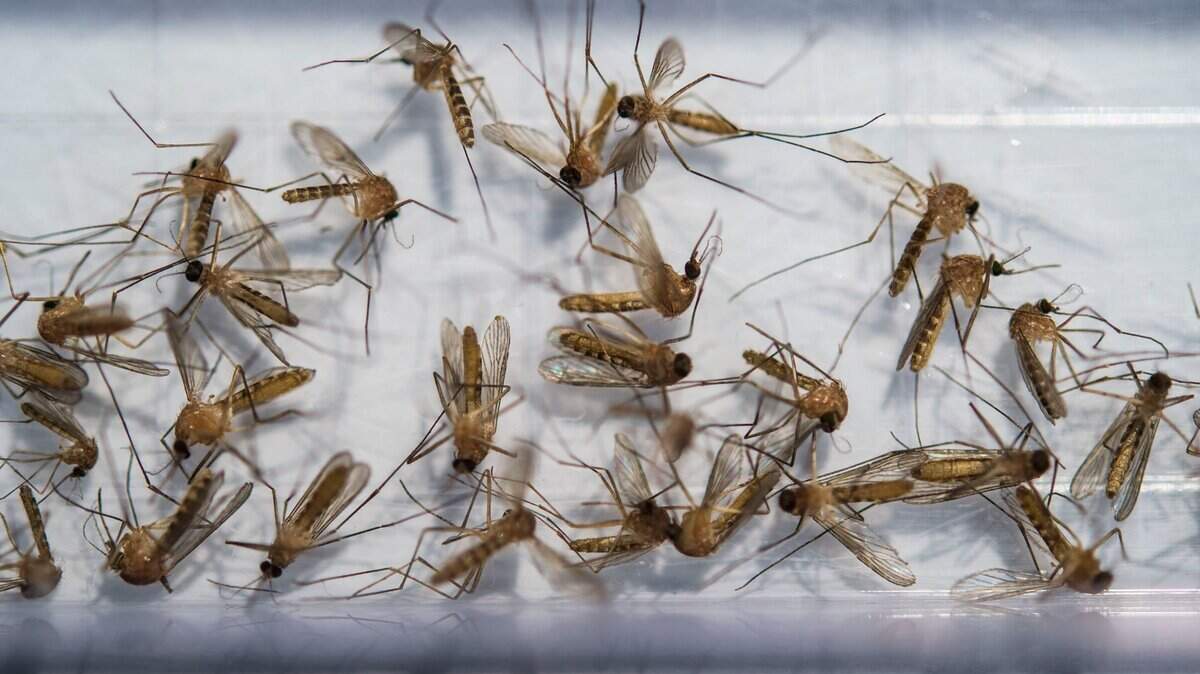
A patient in Northern California has died of West Nile virus as cases in California spike to the highest level in five years, health officials said.
Read more Nearly 70% of California is ‘abnormally dry’ as drought, El Niño strengthens
It is the first death from the virus in Stanislaus County in 2026, The Modesto Bee reported.
The patient was an adult younger than 50 years old, county health officials said. They did not release any other details on the individual.
West Nile virus activity in California is at its highest level in five years, the California Department of Public Health said.
In 2026, there have been 147 human cases of West Nile virus and at least 10 deaths. The virus has been detected in 21 of the state’s 58 counties.
There were 113 confirmed human cases of West Nile virus in California in 2025, eleven of them fatal.
Here’s what to know about West Nile virus and mosquito prevention:
What is West Nile virus?
West Nile virus is a mosquito-borne disease, the U.S. Centers for Disease Control and Prevention said.
Most people do not develop symptoms, but some can develop a mild, flu-like illness. Fatigue and weakness can last for weeks or months, the CDC said. Others can develop a severe illness that can be fatal.
The virus is found in Africa, Europe, the Middle East, North America and West Asia, the World Health Organization said.
The virus was first isolated in a woman in the West Nile district of Uganda in 1937, WHO said. A 1999 outbreak spread through the United States.
Other outbreaks have occurred in Greece, Israel, Romania and Russia.
How common is West Nile virus?
“It’s the most common mosquito-transmitted virus in the U.S., with cases reported in 49 states,” the Cleveland Clinic said.
Each year, about 2,000 people in the United States are diagnosed with West Nile virus, the CDC said. But this is an underestimate as many people do not recognize or report the illness.
Who is at risk for West Nile virus?
Anyone who lives or travels to where West Nile virus is prevalent is at risk, the CDC said. People who work outdoors in the summer and fall are especially at risk.
Risk of severe illness increases with age, certain chronic diseases like cancer, diabetes, high blood pressure or kidney disease, or a weakened immune system, the agency said.
What are the symptoms of West Nile virus?
Most people infected with West Nile virus do not develop symptoms, Johns Hopkins Medicine said.
About one in five have mild symptoms including fever, headache, body aches, skin rash on trunk of body and swollen lymph glands.
Read more Sac State QB Jackson Sharman has been battered and bruised but won’t stay down
Severe symptoms can include headache, high fever, neck stiffness, impaired consciousness, extreme lethargy, and reduced reactivity to outside stimuli, disorientation, coma, tremors, convulsions, muscle weakness and paralysis, Johns Hopkins Medicine said.
Symptoms usually begin within 2-6 days of being bitten by an infected mosquito, the CDC said.
What are the complications of West Nile virus?
Complications of the virus can include inflammation of the brain, or encephalitis; inflammation of the lining of the brain and spinal cord, or meningitis; and inflammation of the brain and its surrounding membrane, or meningoencephalitis, Johns Hopkins Medicine said.
When should you see a doctor about West Nile virus?
The CDC encouraged patients to seek immediate medical attention if they experience high fever, neck stiffness, muscle weakness, confusion or tremors.
How does West Nile virus spread?
The virus “almost always” spreads to humans through the bite of mosquitoes that have been infected by feeding on the blood of birds with the disease, the California Department of Public Health said.
Although it’s very rare, it’s possible to be infected through blood transfusions, organ transplants, and from mother to baby during pregnancy, the department said.
How can you prevent West Nile virus?
“The best way to prevent WNV is to protect yourself from mosquito bites,” the California Department of Public Health said.
Apply insect repellant containing DEET, picaridin, oil of lemon eucalyptus, or IR3535 to bare skin and clothing. Make sure doors and windows have tight-fitting screens to keep mosquitos out.
Mosquitoes that spread West Nile virus are most active at dawn and dusk, so wear long sleeves, pants and repellent if you must be outside, the agency said.
How can you prevent mosquitoes?
Prevent mosquitoes from breeding by eliminating standing water, the Sacramento-Yolo Mosquito and Vector Control District said.
“Anything that can hold water for more than a few days has the ability to produce mosquitoes,” the district said. “Maintain, manage or eliminate all types of standing water on a regular basis. Keep in mind that mosquitoes need as little as a 1/2 inch of water to complete their life cycle.”
Possible mosquito breeding areas can include fish ponds, swimming pools, spas, standing water, tree holes, containers, bird baths, roof gutters, pet water bowls, street gutters, wading pools and watering troughs.
How is West Nile virus treated?
No medicines are available to treat West Nile Virus, the CDC said. Antibiotics do not treat viral infections. People with mild illness can manage symptoms with over-the-counter medicines, rest and hydration.
People with severe illness may require hospitalization.
How can you tell West Nile virus from other illnesses?
While symptoms may resemble the flu, a blood test for specific antibodies can detect West Nile virus, Johns Hopkins Medicine said.
Read more Carrot Top is in crisis. Now his lawyer is pointing fingers in Florida