 By admin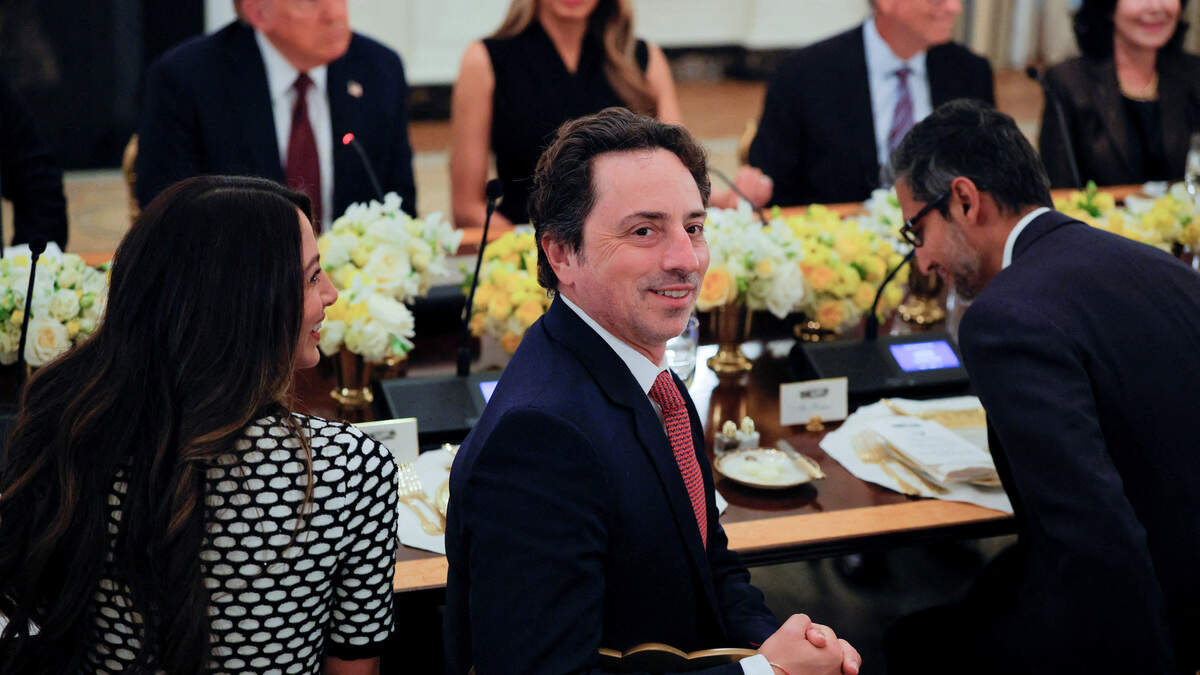
California billionaires saw their net worth rise roughly 25%, or $432 billion, in less than two years, by progressive groups backing the Proposition 40 billionaire wealth tax.
Read more Jaxson Dart’s Season-Ending Injury Changes Fantasy Football Outlook for Giants Fantasy Stars
The gains were especially pronounced for 22 California billionaires who’ve publicly opposed the one-time, 5% wealth tax; they saw their net worth rise nearly 65%, or $280 billion, in the 20 months leading up to Sept. 1, according to the report from Institute for Policy Studies and Tax the Ultra-Rich Now.
The bulk of those earnings came from Google co-founders Sergey Brin and Larry Page, who each saw their estimated net worth expand by more than $100 billion on the heels of an AI-driven stock boom.
The groups used Forbes’ real-time billionaire list for the analysis; the news organization estimates net worth based on public records and its own reporting.
Backers of Prop. 40 say the tax is necessary to address looming cuts to federal healthcare funding set to go into effect next year. But they’ve also made a moral argument centered on inequality and democracy. The report argues Prop. 40 amounts to a “rounding error” for critics like Brin, who has spent more than $100 million on campaigns against Prop. 40 and for Prop. 41 and Prop. 42, which would effectively undermine the wealth tax.
“We suggest that this fight is about maintaining billionaire power over our democracy, society, and future,” the report says.
Critics argue that regardless of how voters feel about billionaires’ growing clout, Prop. 40 amounts to bad policy that will endanger the state’s finances. Opponents, including Gov. Gavin Newsom, have argued that even a retroactive tax — Prop. 40 would apply to billionaires who were California residents as of Jan. 1, 2026 — would cause extremely wealthy Californians to flee, imperilling the state’s ability to collect future tax revenues and pay for state services.
In a June blog post, Newsom said the American economy “has been engineered for the very top” but called for a national, not state-level billionaire tax.
Read more How Late-Season Good News Could Reenergize the Houston Texans
“We can’t let a single advocacy organization, however well-intentioned, write the state’s tax code on its own terms,” Newsom said, referring to SEIU-United Healthcare Workers West, the union backing the tax.
A spokesperson for Building a Better California, the primary fundraising committee for billionaires opposed to the tax, did not respond to an email seeking comment.
In a March report, economists working for the conservative Hoover Institution think tank identified at least six California billionaires, including Brin and Page, that it says fled the state ahead of the 2026 deadline. It says those moves removed nearly 30% of the aggregate billionaire wealth from the tax base and are likely to cause many more to flee in the coming years, sharply limiting the potential effectiveness of the tax.
Prop. 40’s backers argue those numbers overstate how many billionaires will leave, and that determining residency is a complicated, multi-factored process for tax purposes.
While billionaires have funded most of the “No on 40” campaign, it has support from a coalition that includes both candidates running to succeed Newsom, Planned Parenthood Affiliates of California, the California Chamber of Commerce and California Teachers Association.
SEIU-UHW argues those positions reflect the attitudes of those organizations’ leaders, not rank and file members. The proposition has been endorsed by the California Democratic Party and the California Federation of Labor Unions, AFL-CIO.
A Politico poll of nearly 2,000 likely voters conducted earlier this month found 45% say they plan to vote for Prop. 40, compared to 43% who plan to vote against it and 12% who are undecided. Ballot measures require majority support to pass.
Read more Kansas City Chiefs Thriving in Run Blocking
This story was originally published September 23, 2026 at 11:55 AM.