 By admin
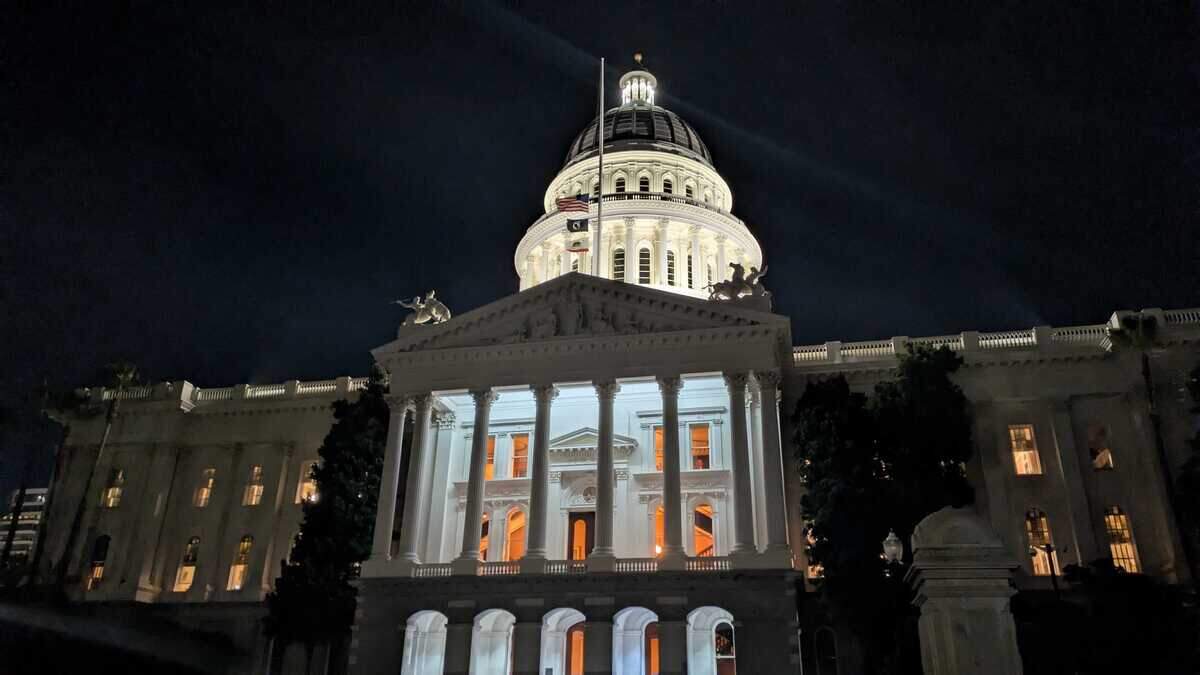
Opinion journalists for McClatchy Media conducted interviews with supporters and opponents of all 14 statewide propositions on your November ballot. The journalists then deliberated and decided how they would vote on each one, just as voters do. Their endorsements, linked below, explain their positions.
Read more Cafe known for its ‘Best Drink Ever’ vanilla-flavored coffee is coming to Folsom
What to Know
Here are key takeaways:
Prop. 1 would authorize $11.25 billion in bonds for affordable housing and CalVet home loans, with $10 billion aimed at closing financing gaps for nearly 40,000 affordable rental homes already in the pipeline. The board endorsed a “yes” vote but urged the state to publish a transparent dashboard tracking costs and results.
Prop. 2 would raise California’s rainy day fund cap from 10% to 20% of annual tax collections and allow some reserves to pay down state debts, including $20 billion still owed to the federal government for pandemic-era unemployment borrowing. The board recommended a “yes” vote as a safeguard against future downturns.
Prop. 3 would make permanent a tax on California’s top 2% of earners — single filers making at least $361,000 and joint filers at least $721,000 — that generates between $5 billion and $15 billion a year for schools and community colleges. The board endorsed a “yes” vote.
Prop. 4 would repeal a more than 30-year ban on public financing of state and local campaigns, allowing matching-fund or public-grant programs for qualifying candidates. The board backed a “yes” vote, arguing public financing reduces reliance on wealthy donors.
Prop. 5 would eliminate the second question on recall ballots asking who should replace an ousted official, instead triggering special elections or gubernatorial appointments. The board strongly endorsed a “yes” vote, noting past recalls have installed replacements with less voter support than the official removed.
Prop. 37 would let the California Housing Finance Agency issue up to $25 billion in revenue bonds to finance second mortgages covering up to 17% of a new home’s price for middle-class buyers. Despite reservations about default risk, the board recommended a “yes” vote.
Prop. 38 proposes an $8.4 billion bond for immunology research, with half guaranteed to an institute tied to UCLA and backed by billionaire physician Gary K. Michelson. The board urged a “no” vote, warning the measure would exempt the institute from public-records laws.
Prop. 39 would require government-issued ID at the polls and partial ID numbers on mail ballots, with backers including nine billionaires tracked by Forbes. The board recommended a “no” vote, warning the measure would disenfranchise more legitimate voters than it would stop fraudulent ones.
Read more Body of missing Mount Whitney hiker recovered from snow after week-long search
Prop. 40 would impose a one-time 5% wealth tax on Californians worth more than $1 billion, with 90% of proceeds reserved for healthcare amid federal Medi-Cal cuts projected to cost 1.3 million residents coverage by 2030. A majority of the board endorsed a “yes” vote.
Prop. 41 is a constitutional amendment backed by Google co-founder Sergey Brin and other wealthy donors that would ban taxes exempt from state spending limits on or after Jan. 1, 2026 — a provision that could nullify Prop. 40. The board urged a “no” vote.
Prop. 42 is billed as a safeguard for 401(k) accounts and personal property, but the board called it a “poison pill” designed to derail the billionaire wealth tax in Prop. 40. If Prop. 42 gets more yes votes than Prop. 40, Prop. 40 would not take effect. Vote “no,” the board said.
Prop. 43 would raise the threshold to pass citizen-led special tax initiatives from a simple majority to 66.7%, giving a 33.3% minority the power to block measures funding fire, police, flood control and other local services. The board opposed it and urged a “no” vote.
Prop. 44, the Clinic Funding Accountability and Transparency Act, would require federally qualified health centers to spend at least 90% of revenue on patient services, up from the roughly 80% most currently report. The board recommended a “no” vote, citing warnings the mandate could force clinics serving nearly 7 million patients to close.
Prop. 45 would reshape the California Environmental Quality Act by tightening deadlines, limiting public-comment periods and barring judges from halting entire projects over partial violations. The board endorsed a “yes” vote, arguing CEQA has too often been used to block needed housing.
The summary points above were compiled with the help of AI tools and edited by journalists. The source reporting referenced above was written and edited entirely by journalists.
Read more UC Davis study unearths fossils of fearsome armored sea amphibian, a first