 By admin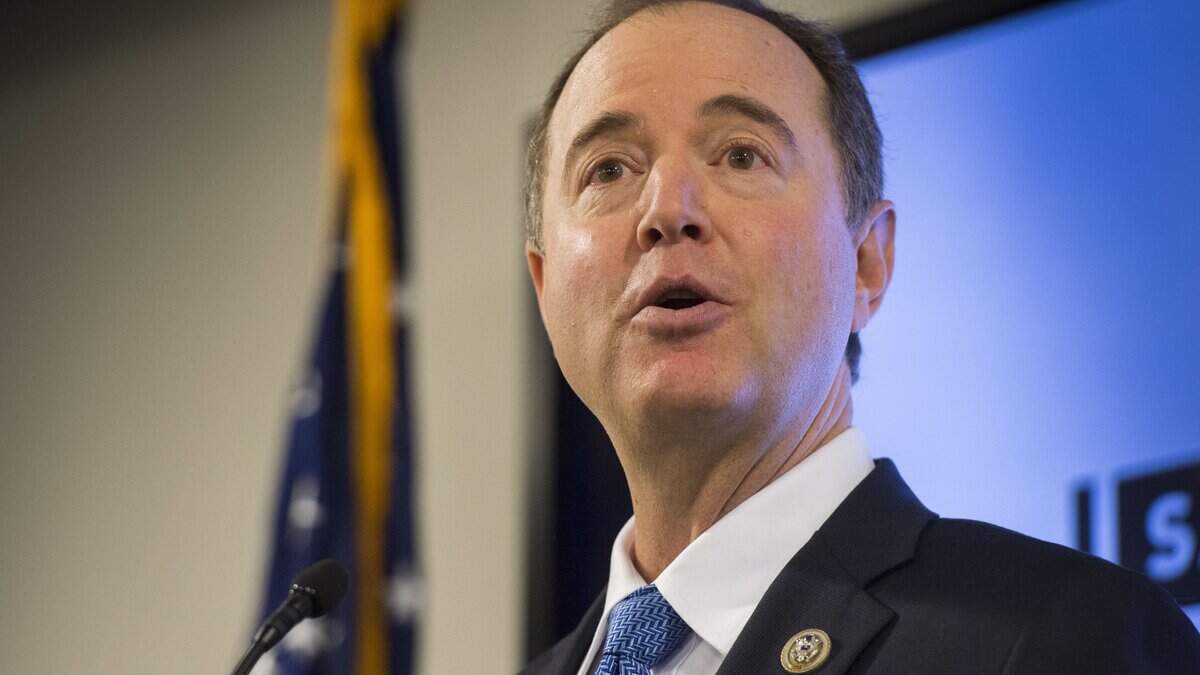
AI-generated summary reviewed by our newsroom.
Read our AI Policy.
- Schiff’s bill requires influencers to disclose if posts are paid for by political campaigns.
- The act would amend the Federal Election Campaign Act of 1971.
- Supporters cite California primaries and foreign agents as reasons to tighten rules.
U.S. Sen. Adam Schiff, D-Calif., Monday that would require online influencers to disclose whether their posts are paid for by political campaigns.
Read more Former Yuba County Jail officer sentenced for sexually assaulting female inmate
The “Promoting Authenticity with Influencer Disclaimers Act” would amend the Federal Election Campaign Act of 1971 to mandate that sponsored political content on the internet state the source of its funds “in a clear and conspicuous manner.” Rep. Mark Takano, D-Riverside, introduced a companion bill of the same title in the House of Representatives Monday.
According to Isabel Linzer, an elections and democracy policy analyst at the Center for Democracy and Technology, political influencers tend to “fall through the cracks of existing regulation.”
Political influencers are often too political to be governed by the Federal Trade Commission’s regulations on commercial disclosures, Linzer said, while the Federal Elections Commission typically regulates traditional campaign ads rather than social media content.
“There’s a huge range in terms of what the rules are and how much circumvention there is and how stringent enforcement is,” Linzer said. “It’s a fast-evolving field, paid political influencing, but the rules haven’t caught up yet.”
Schiff said the bill aims to improve the credibility of online content by better contextualizing online information. If the federal government can impose “guardrails and clear warning labels” on political sponsorships, Schiff said in a statement, voters can better make sense of political speech.
“Adding disclaimers to help give voters the full picture and protecting against misrepresentation helps treat these forms of advertising like any other in our landscape, and close a pernicious loophole in our current election rules,” Schiff said.
Since 2023, California has required social media influencers paid by political committees disclose the source of their funds, Linzer said. However, this regulation is enforceable only after the sponsored content is published and is not proactively monitored.
Schiff’s proposed legislation comes on the heels of a contentious spate of sponsored social media posts in campaigns leading up to California’s June gubernatorial primaries.
Read more Look out! Sacramento River Cats mascot on scooter hits opposing player, video shows
In the weeks following the election, the Fair Political Practices Commission launched a still-ongoing investigation into candidate Tom Steyer’s campaign. The inquiry is a response to allegations that Steyer had privately sponsored influencers’ social media posts.
Amid the backlash surrounding Steyer’s social media campaign, The Sacramento Bee reported that candidate Xavier Becerra also disbursed undisclosed funds to sponsor online political content during the primaries. Videos with undisclosed sponsorships from both Becerra and Steyer’s campaigns have since been taken down.
“We are still looking at the specifics of the PAID Act, but (Steyer) believes creators are central to modern communications and reaching people where they are online,” said former Steyer campaign manager Heather Hargreaves in an email. “It’s important that campaigns operate transparently when paying creators for their time and work.”
While the proposed legislation would apply to federal rather than statewide elections, Schiff said funding disclosure disputes during the California primaries were a factor in his decision to introduce the act.
“California’s primary this year made a clear case that our current guardrails around campaign advertisements are not keeping up with the changing landscape of political speech,” Schiff said.
The bill would regulate social media posts sponsored by both foreign and domestic actors, according to a statement from Public Citizen lobbyist Craig Holman. If passed, he said the bill would defend against foreign governments that aim to disrupt elections on social media.
“A number of special interest groups, even some foreign governments, are now paying social media influencers to repeat their propaganda, without disclosing that these are paid messages,” Holman said. “Those who follow these influencers are deceived into thinking these messages are genuine independent thought, when the messages are simply paid commercials.”
Read more ‘Time is of the essence’ to ban AI political ads says US Sen. Adam Schiff