 By admin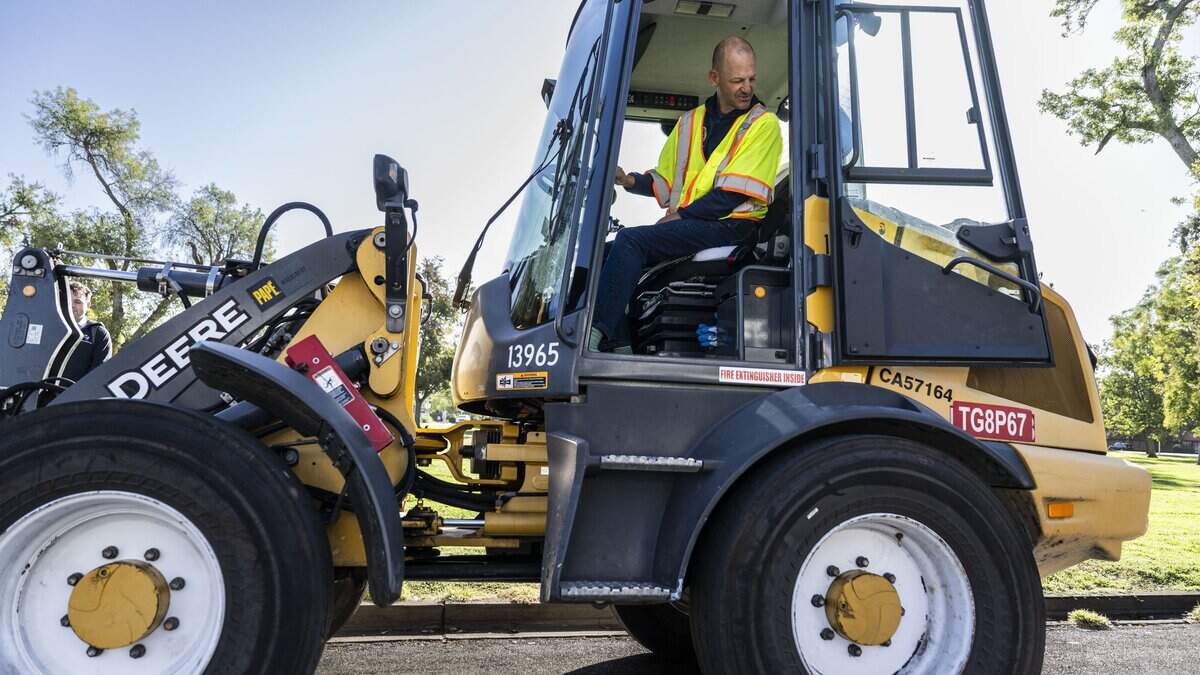
Each fall city crews prepare the months-long grind of collecting thousands of tons of wet leaves, broken limbs and fallen trees to keep Sacramento’s streets safe. This year city officials are confident in their ability to manage the effects of the predicted Super El Niño, but are asking that residents do their part to prevent flooding.
Read more Placerville woman, 42, killed in morning crash on Pony Express Trail, CHP says
Sacramento’s tree canopy is one of the most iconic features of the city, but the lush greenery that provides relief from summer heat has drawbacks in the winter, particularly during harsh, stormy weather.
“Sacramento is synonymous with the Claw and our trees,” Mayor Kevin McCarty said. “We want to make sure we have plentiful urban forest in Sacramento. But with that comes lots of leaves, and with big storms or atmospheric rivers, potential for massive havoc in the neighborhood.”
During an atmospheric river in the first few weeks of 2023, more than 1,500 trees toppled throughout the city — smashing homes, splitting cars and killing two people living on the street. Cleanup took months.
Fallen leaves from Sacramento’s one million trees also pose an issue. Wet piles of leaves in public right of ways reduce traction, posing a slippery risk to drivers, cyclists and pedestrians alike. Leaf piles blocking storm drains can lead to flooding, and can also negatively affect water quality when washed off into drains or rivers.
Normally Sacramento receives around 10 inches of rainfall between December and February, but this year’s El Niño season is predicted to bring 17, a 150% increase. In addition to potential flooding, El Niño also increases the risk of atmospheric rivers and windstorms which often result in a higher number of falling trees.
How to manage leaf season in Sacramento
McCarty said that despite a tough budget year, core city services were not cut and the departments responsible for winter weather services are well-staffed and ready to go. Department of Utilities spokesperson Carlos Eliason said his team isn’t nervous for the upcoming season but is instead focused on preparedness.
“The biggest thing is that the crews are ready and alert,” he said. “We have a mindset of readiness.”
Read more Lodi police arrested Galt man suspected of robbing online sellers at gunpoint
Sacramento’s 10 front-loading tractors will take to the streets beginning Nov. 1 to collect leaf piles across the city. The Claw is a symbol of autumnal joy for many, inspiring celebrity sighting-style social media posts featuring the John Deere tractor collecting its first pile of the season or “taking a coffee break” outside a Starbucks.
To help the Claw, city officials are encouraging people to manage their leaf piles. The best practice is to fill your household’s organic waste bin compactly before gathering leaves into piles.
The city advises residents to place piles away from storm drains and parked cars. And the city’s residential service guide says that pet feces and plastic bags should never be placed in leaf piles or organic waste bins.
Keeping trash from leaf piles and storm drains can also help reduce the effect on water quality, Eliason said.
Depending on the weather, leaf pile pick-up times can slow as the season goes on, warned Jesa David with the Recycling and Solid Waste division, but organic waste bins are collected weekly.
During the Claw’s three-month period of operation, it’s expected to make seven pick-ups per household, while the organic waste bins will be collected 13 times over the same period.
Read more SACOG awards $46 million for road repairs across Sacramento region. Here’s where