 By admin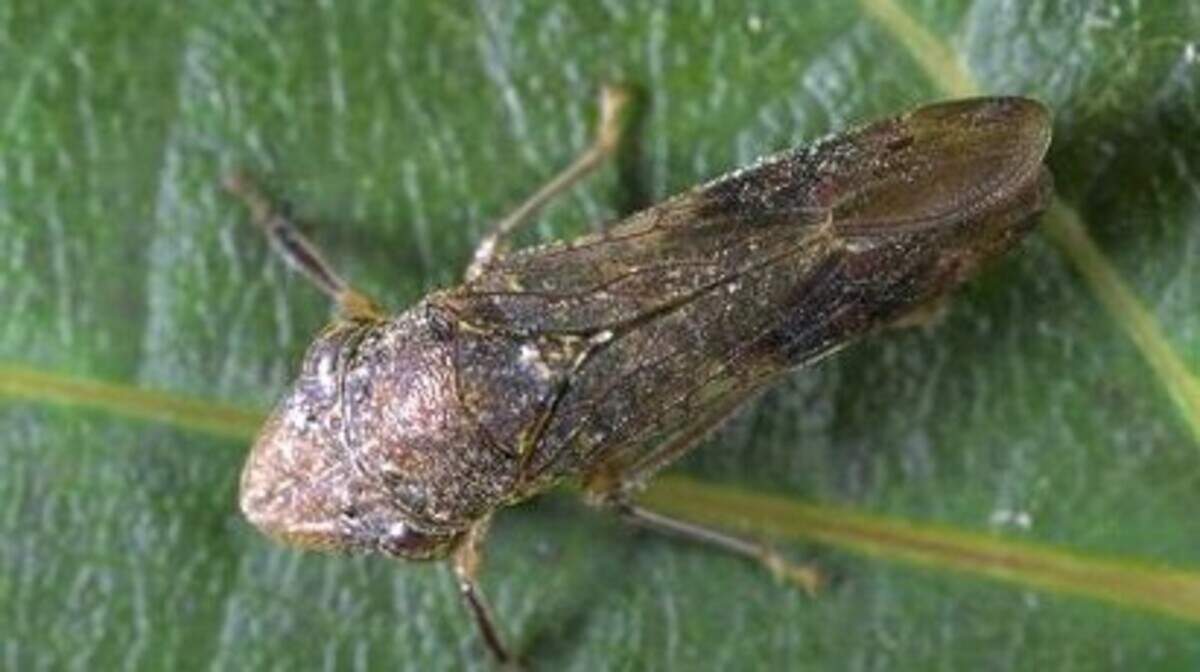
In July, the U.S. Department of Food and Agriculture rejected U.S. Sens. Alex Padilla’s and Adam Schiff’s request for $32 million in emergency funding to combat California’s growing glassy-winged sharpshooter problem.
Read more A serviceman himself, Timothy Swaney found connection by helping other military vets
Now, the federal agency is providing $4 million to the California Department of Food and Agriculture for the fight against the grapevine-destroying pests, specifically for efforts to control the Costco shipment incidents.
Glassy-winged sharpshooters were found on grapevines and ornamental plants sold at Costco stores in Sacramento County and dozens of other counties throughout the state earlier this summer. Thousands of plants were sold and are still unaccounted for. The destructive pests spread Pierce’s disease, which kills grapevines, and can make homes in numerous other fruits. Glassy-winged sharpshooters are not a risk to humans or animals.
“This funding will allow CDFA to expand trace-forward investigations, increase inspections, destroy infested materials, and strengthen trapping and visual surveys at high-risk locations associated with recent (glassy-winged sharpshooter) infested plant shipments,” said Katrina Rudyj, a USDA Animal and Plant Health Inspection Service division employee, in a Friday email announcing the new funding, a copy of which was obtained by The Sacramento Bee.
USDA’s Animal and Plant Health Inspection Service department provided the $4 million from specialty crop carryover funding, Rudyj said. The state requested $8.2 million in one-time funding from a separate USDA funding stream specifically targeting plant pest and disease management. As of last month, it had yet to hear back from the federal agency.
Rudyj said USDA has provided California with more than $15 million in annual appropriations for activities preventing the spread of Pierce’s disease in fiscal year 2026, which ends Sept. 30, and the department is evaluating “further support options.”
The wine and grape industries are billion-dollar enterprises in California. The state produces 99% of all table grapes and around 80% of all wine in the U.S., according to industry groups. The wine industry supports more than 422,000 jobs statewide, generating about $73 billion in annual economic activity, according to CDFA.
With wine consumption at historic lows, the wine industry is already facing significant challenges. Some grape growers and winemakers are closing because they can’t afford to be in business anymore. They say the increasing threat of the glassy-winged sharpshooter isn’t helping.
CDFA did not respond to specific questions from The Bee and instead provided a statement that confirmed the funding and expressed appreciation for the agency’s collaboration with state, federal, county and industry partners on glassy-winged sharpshooter control efforts.
USDA did not respond to a request for comment.
The majority of the glassy-winged sharpshooter detections from the Costco incidents have been of immature life stages of the invasive pest, such as egg masses. But recently, more adult insects have been found throughout the state, according to CDFA. The agency said it is not clear yet if all new detections are connected to the Costco incidents.
The leaf-hopping insect destroyed more than 1,000 acres of grapevines in Northern California from 1994 to 2008, causing $30 million in damage, according to California’s agriculture department. Pierce’s disease, in a year when it infects grapevines, can cost California grape growers tens of millions of dollars.
Read more Grammy-winning singer Victoria Monét to make hometown Sacramento tour stop
Last week, the California Legislature directed CDFA to provide $10 million to county agricultural commissioners from the agency’s existing emergency funds. The dollars can be used for investigations, emergency detection and eradication of the glassy-winged sharpshooter.
The $10 million in state money falls short in both the amount and type of funds that the agriculture industry requested.
Industry associations asked legislative leaders for $26.8 million in new emergency funds for the state agriculture department in the 2026-2027 fiscal year budget. The dollar amount of the request changed as more pests kept being found in the state, and the groups reevaluated the amount of funding needed.
As for the type of funds, industry representatives fear that when the next emergency comes, such as the spotted lanternfly, CDFA will not have the dollars to handle it due to a smaller pool of emergency funds.
Agriculture industry groups have pledged over $2 million to support glassy-winged sharpshooter containment and prevention efforts.
California Senate Democrats and 12 U.S. House members who requested the money in June received a letter on July 22 from the USDA Under Secretary for Marketing and Regulatory Programs, Dudley Hoskins, that said CDFA and county agricultural commissioners would be supported with existing federal funds. The additional funds that were requested would have gone toward tracing, surveying and trapping response programs for the next three years.
Lawmakers said in their USDA funding request that if unaddressed, glassy-winged sharpshooters could cost the state $104 million annually.
The U.S. Government Accountability Office released a report Thursday that said USDA has “taken few actions to enhance the resilience of farms and forests to the climate-related risks of diseases and pests.” The accountability office also concluded that USDA funding and staffing to support those actions have decreased. c
The presence of invasive insects is rising overall as growing season lengths and temperatures shift due to climate change.
Between 1960 and 2020, the accountability office report said that invasive species, including diseases and pests, cost the U.S. agricultural and forestry sectors at least $550 billion.
Read more DHS: Man who stalked, killed Sacramento woman entered US illegally in 2023