 By admin
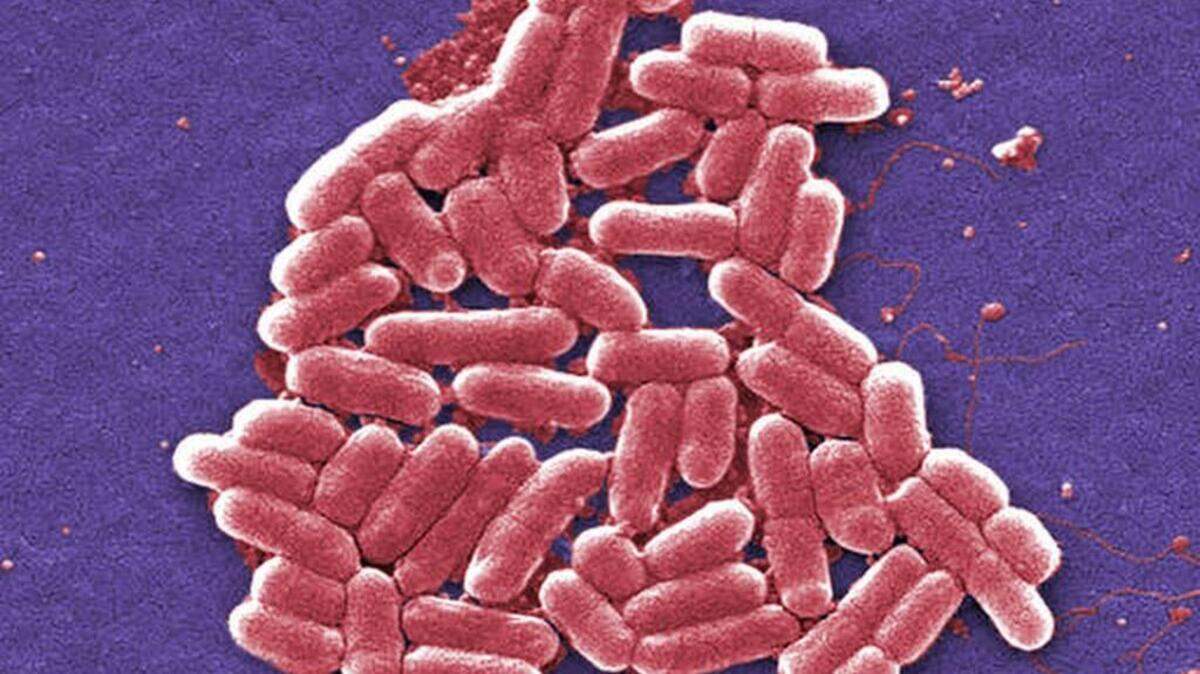
An 18-month-old girl died in November after contracting a dangerous strain of E. coli that sickens tens of thousands of people across the country every year.
Read more ICE arrested a California professor at home. She’s affected by a new DHS policy
And while it can cause fatal complications as occurred in this case, actual deaths are extremely rare.
In fact, the toddler was one of only 30 people who die on average per year from Shiga toxin-producing E. coli, also known as STEC or O157, according to estimates from the U.S. Centers for Disease Control.
After falling ill with E. coli symptoms, the toddler developed hemolytic uremic syndrome, a serious and potentially fatal complication that can result in kidney failure.
She was hospitalized for 10 days at Stanford’s Lucile Packard Children’s Hospital and died on Nov. 4, according to Judy Wolf, the girl’s grandmother.
The girl was one of five total confirmed cases of STEC tied to Brookshire Farms on California’s Central Coast, the SLO County Department of Public Health reported, and one of three children who developed serious cases of HUS from the infection.
Along with the annual 30 deaths, Shiga toxin-producing E. coli causes an estimated 97,000 illnesses and 3,270 hospitalizations, according to the CDC.
How deadly is Shiga toxin-producing E. coli?
Cases of Shiga toxin-producing E. coli infection have surged in California over the past 15 years, rising from around 500 in 2011 to more than 2,500 in 2023, according to the California Department of Public Health.
The E. coli strain can cause bloody diarrhea, stomach cramps and vomiting. Children under 5 and older adults are most at risk of contracting serious and even fatal cases of the infection.
The strain is a serious cause of foodborne illness since it produces toxins that damage kidney function and cause hemolytic uremic syndrome, according to Craig Hedberg, a professor in the School of Public Health at the University of Minnesota.
HUS occurs when small blood vessels get inflamed, causing clots to form in vessels throughout the body. The clots can lead to serious, life-threatening damage to the kidneys and other organs, according to the Mayo Clinic.
Even though the E. coli strain is not one of the more deadly foodborne pathogens — such as salmonella or listeria — it can be a life-threatening condition for young children and elderly adults, he said.
“Certainly, these are severe infections that require, you know, very aggressive treatment early on to help manage the complications,” Hedberg told The Tribune, adding that even though fatalities are rare, “that doesn’t minimize the impact when an outbreak does happen.”
Food safety lawyer Bill Marler — who appears prominently in the Netflix documentary “Poisoned: The Dirty Truth About Your Food” and has spent the last 30 years litigating cases of foodborne illnesses — said that these types of pathogens have become more deadly and virulent over the past 20 years.
Read more Sunny skies return to Northern California in brief break, but more rain forecast
Two families associated with the E. coli outbreak in San Luis Obispo have retained Marler to investigate what happened.
He told The Tribune that it’s unusual for children to die from hemolytic uremic syndrome complications, “but it does happen.”
“It’s pretty random, you know, about who dies and who doesn’t, who gets HUS and who doesn’t, how bad their HUS is and not, and there’s no particular rhyme or reason why that happens,” said Marler, who lives on Bainbridge Island in Washington.
People can get infected with Shiga toxin-producing E. coli by consuming or touching contaminated food, touching infected animals or drinking tainted water, the CDC said.
STEC can also be caused by coming into contact with an infected person or animal’s poop.
Farm animals like cows, goats and sheep are the most likely to be infected, according to the state Public Health Department.
Marler said he’s most frequently seen E. coli outbreaks that originate from petting zoos or areas in close contact to cattle.
The county collected food, water and other environmental samples at Brookshire Farm, and none of them tested positive for E. coli O157 — the strain of the illness the five people were sick with. The pumpkin patch does not have a petting zoo.
San Luis Obispo County is about 200 miles north of Los Angeles.
While no specific source of the E. coli O157 was found, the county did say the infected people did share some potential “common exposures,” including edible corn cups, pumpkins, hay and non-potable water sources.
And it only takes a minute exposure to set off a potentially fatal illness.
Even ingesting as few as 10 to 50 E. coli bacteria can be deadly — and 100,000 of them can fit on the head of a pin, Marler told The Tribune.
“It’s not like you can see it, taste it, smell it,” he said.
How to prevent E. coli infections
According to the California Department of Public Health, people can prevent E. coli infections by washing their hands after these situations:
- Before preparing or eating food
- After going to the bathroom
- After changing diapers or cleaning toilets
- While caring for someone with diarrhea
- After touching farm animals or being at petting zoos, farms or fairs
For more information on how to stay safe from STEC, visit the California Department of Public Health’s page on Shiga toxin-producing E. coli.
This story was originally published November 15, 2026 at 5:25 AM with the headline “Who is most at risk from the E. coli strain that sickened 5 people in California?.”
Read more E. coli outbreak that killed a toddler spreads to preschool in California. What to know