 By admin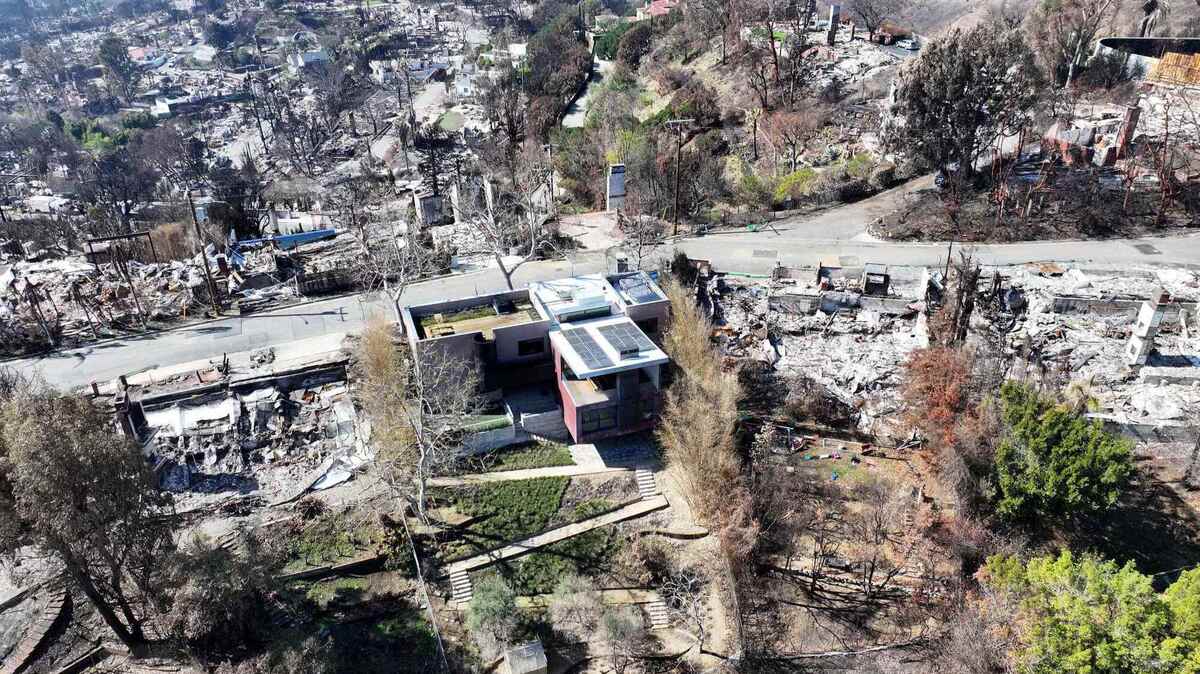
Wildfire has become part of everyday life for Californians. They watch wildfire maps, check air quality and wonder whether the next evacuation warning will be for their neighborhood. But there are steps homeowners can take right now to give their homes a better chance of surviving when the worst happens.
Read more California gas prices fall but remain high for end of summer. What you’ll pay
Clearing combustible vegetation like plants, shrubs and mulch, and making upgrades that protect against embers can mean the difference between your family returning home after an evacuation and having no home to return to.
As a former California state fire marshal, I know that helping homeowners reduce risk before disaster strikes is one of the highest-return investments California can make. Every home that survives a wildfire represents avoided recovery costs, a more resilient community and one less family forced to start over.
The challenge today isn’t convincing Californians that wildfire preparedness matters, it’s making sure they can afford it.
That’s where Senate Bill 894 comes in. The bill, authored by Sen. Ben Allen, D-El Segundo, and currently awaiting passage in the Legislature, would establish the California Wildfire Resilience Loan Program, providing homeowners with affordable, low-interest financing for qualified wildfire mitigation projects. It gives California a practical way to help more homeowners put proven wildfire resilience measures into practice.
I saw firsthand what’s possible when homeowners invest in wildfire resilience. At my homeowner’s association near Lake Tahoe, we got insurers to recognize the mitigation work we had already done, and then we committed to improving our defensible space and hardening our buildings at an affordable cost. As a result, our association secured a 65% reduction on our insurance premiums.
Homeowners are willing to invest in wildfire mitigation projects when they have a realistic financial path to do so. We know which measures work, and Californians understand the importance of preparing their homes. But for too many, the upfront cost remains out of reach. In fact, Megafire Action shows cost is a significant barrier to mass-adoption, regardless of income.
Read more Attention, college students: 250,000 minifridges recalled as fire hazards
Most Californians simply do not have thousands of dollars readily available to make these improvements. But SB 894 can help make that possible by providing widely available, affordable financing for home hardening — turning a large, upfront cost into manageable monthly payments that can be offset, at least in part, by insurance savings.
And while California has been building new homes with mitigations we know work since 2008, what we need now is to scale up wildfire mitigation retrofits for older homes.
SB 894 tackles this directly. Using a state-backed loan-loss reserve, the program would unlock private lending — building on California’s successful GoGreen financing model — without requiring property liens. Every public dollar invested is expected to leverage roughly $8 to $12 in private capital and, when loans are paid back, the funds are available to be lent again.
Programs like this can help tens of thousands more homeowners protect their homes than traditional grant programs alone.
We know what effective wildfire resilience looks like. The next step is making those proven solutions financially attainable for the homeowners who need them at the scale needed to address the magnitude of the risk. Before another wildfire season reminds us of the cost of inaction, lawmakers should pass SB 894 and give homeowners the tools to invest in their own safety.
Kate Dargan Marquis served as California’s first woman state fire marshal and helped shape wildfire strategy at the Gordon and Betty Moore Foundation and the White House Office of Science and Technology Policy. She co-founded the firetech company Intterra and currently serves as a board member of Megafire Action.
Read more Players win ‘exciting’ six-figure jackpots within hours at Sacramento-area casino