 By admin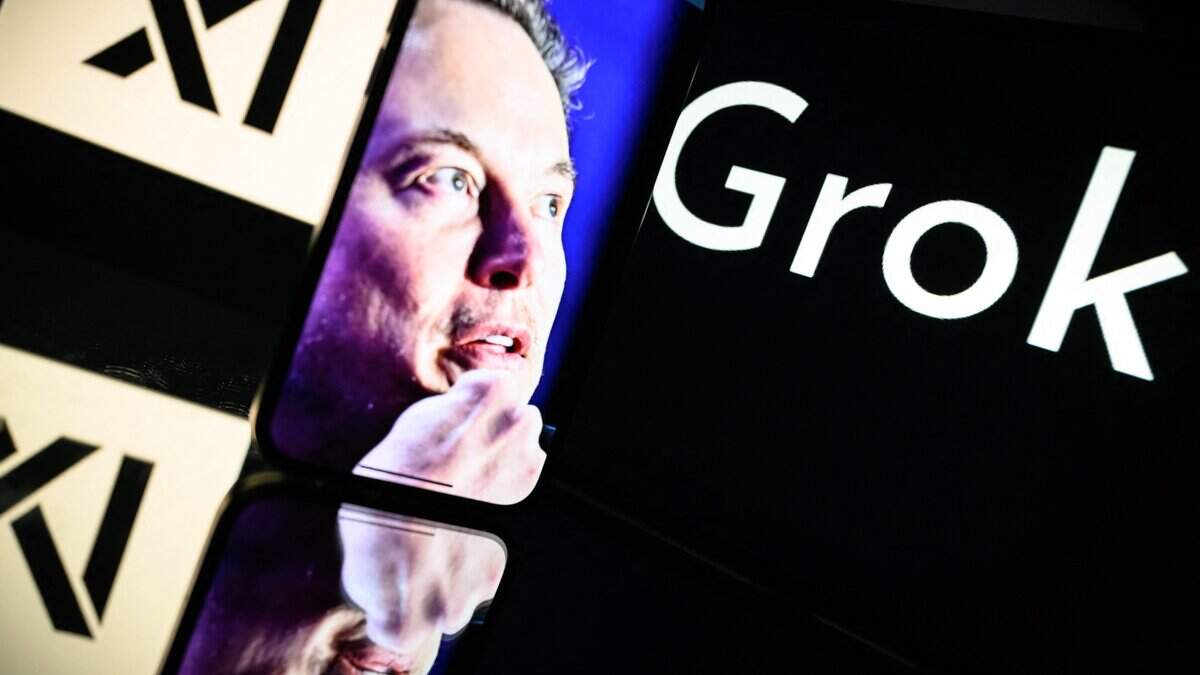
Imagine if food manufacturers kept secret the ingredients they used for junk food they advertise to kids, or if a drug company refused to disclose a medicine’s potential side effects. . Trusting these companies blindly with your family’s safety and health is too big of an ask.
Read more How young is too young to walk to school alone? What California law says
For technology as powerful and far-reaching as artificial intelligence, transparency isn’t a luxury; it’s a necessity.
California’s AI Training Data Transparency Act (Assembly Bill 2013), passed in 2024, aims to bring some much-needed sunshine to how powerful AI systems are built. The law doesn’t require companies to reveal their source code or trade secrets — just to provide a general summary of the data used to train publicly available AI models, similar to an ingredient label on food. Supporters, including technology and democracy advocates, see this as a commonsense move to build trust and help identify potential biases in AI.
That’s why AB 2013, authored by Assemblymember Jacqui Irwin, D-Thousand Oaks, is so important: it requires AI companies to explain, in plain terms, what data they use to train their systems.
But some tech companies, most notably Elon Musk’s xAI, see these requirements as a threat. xAI is suing California, claiming this modest disclosure law violates its rights. If xAI wins, it could undo not only this law, but much of the groundwork California has laid for AI transparency.
xAI’s lawsuit, filed in December 2025, claims the law goes too far, forcing them to reveal trade secrets and undermining their competitive edge. They also argue it’s unconstitutional: an unlawful “taking” of private property, compelled speech under the First Amendment, and so vague that companies can’t know what’s required of them.
If the courts side with xAI, it could make it much harder for California to require even basic transparency from AI developers. The outcome could limit how much the public ever gets to know about the data and methods behind the AI tools increasingly shaping our lives.
A win for xAI could gut the public’s right to know what’s shaping the AI that touches every part of our lives. Disclosing the building blocks of these AI platforms isn’t a blow to free enterprise. Transparency reinforces it.
Read more Fans of bald eagle Jackie find new hope after her death. ‘Life will go on’
California Initiative for Technology and Democracy Executive Director John Bennett sees the danger clearly.
“I think it really raises questions around what can we actually compel these tech companies to tell us about what they’re making if X AI were to succeed in this lawsuit,” Bennett said. “Consumers deserve to know what’s in the products that they are going to be consuming.”
Bennett notes that other recently passed laws would be at risk if xAI wins, such as the Transparency in Frontier Artificial Intelligence Act, Senate Bill 53, authored by Scott Wiener , D-San Francisco. The law created a framework to mandate AI companies to disclose safety tests and report critical incidents.
“SB 53 effectively hinges on the fact that these companies will disclose their safety and security protocols and then put out these model cards that tell us about what sort of mitigation strategies they use to safeguard people from catastrophic risks,” Bennett said of the law, which was passed in 2025. “That is the entire basis of the transparency elements of SB 53, and I think this would call into question whether or not those would be constitutional.
This lawsuit sends a dangerous message, that Californians’ well-being matters less than the slim chance a rival company might learn something. In reality, these transparency laws don’t come close to revealing true trade secrets — they simply build trust and accountability.
We’d never accept mystery ingredients in what we eat — so there’s no way that we should accept mystery sources of data in the AI systems that increasingly shape our jobs, our news, and our daily lives. California’s fight for transparency isn’t just about tech policy; it’s about basic trust.
If we demand to know what’s in our food, we should demand to know the basics of what’s inside the algorithms running our economy.
Read more Fans of bald eagle Jackie find new hope after her death. ‘Life will go on’