 By admin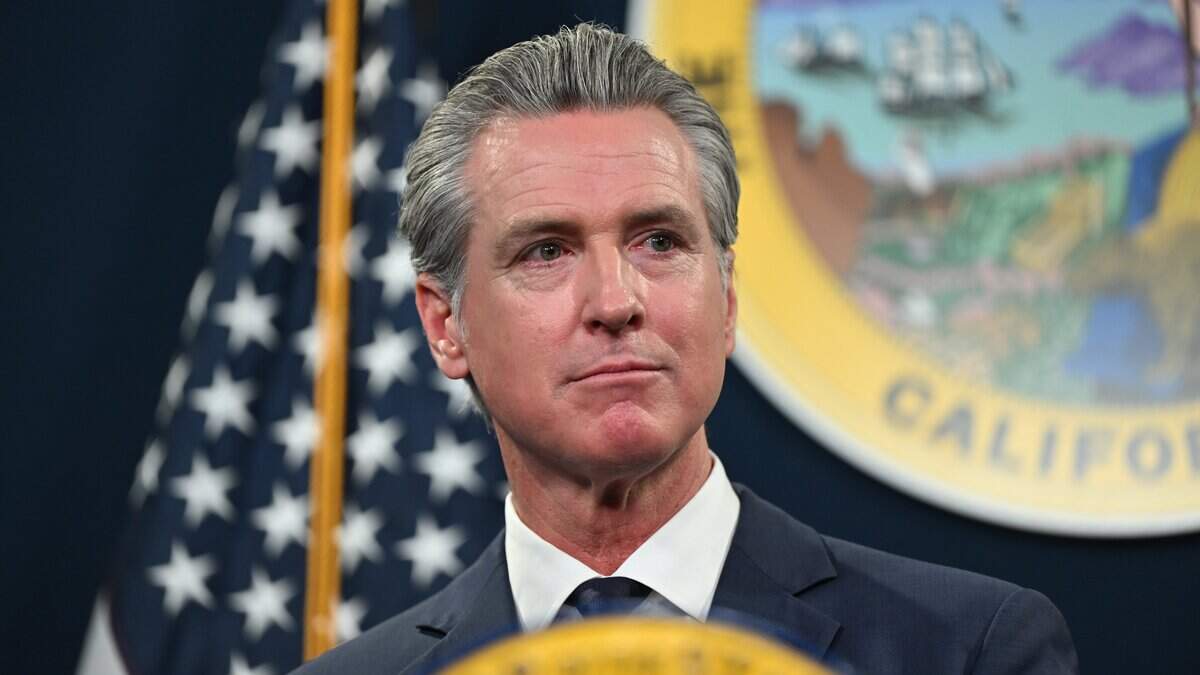
Gov. Gavin Newsom criticized the Federal Communications Commission Thursday after the agency voted to loosen longstanding limits on television station ownership, arguing the move would accelerate media consolidation and threaten the independence of local news.
Read more Gann Fire destroys homes with one death confirmed. Sacramento’s top stories today
The FCC voted 2-1 to eliminate the national ownership cap, which had prevented a television station ownership group from reaching more than 39% of U.S. households. The commission also moved to allow companies to own more than two stations in a single market.
Newsom portrayed the decision as part of a broader effort by the Trump administration to exert influence over the media. In a statement following the vote, he accused the administration of attempting to create a “propaganda machine” to advance its political agenda.
“This will make it easier for Trump, through his proxies and toadies, to control what Americans see, hear, and read,” Newsom said in the statement. “This attack on independent, local news is straight out of a dictator’s playbook.”
First set at 25% in the 1980s, the national ownership cap was intended to prevent a small number of companies from controlling too many local television stations.
FCC Chairman Brendan Carr argued the ownership rules are outdated because the media landscape has changed.
As audiences shift to streaming services and online platforms, traditional television stations have lost viewers and revenue. Supporters say allowing station owners to grow will help them compete with platforms such as Netflix and YouTube and provide more resources for local news.
Opponents argue that eliminating the limit could spark aggressive corporate consolidation, potentially leading to layoffs and fewer local voices.
Read more Legendary Giants broadcaster Mike Krukow to retire at end of season. ‘Thank you’
Rather than enforcing a firm national ownership cap, the FCC will now consider deals that exceed the previous limit on a case-by-case basis to determine whether they serve the public interest.
Critics worry that the approach would give Carr significant discretion over which companies are allowed to expand, creating the potential for political influence. Those concerns come amid broader scrutiny of Carr’s use of the FCC’s regulatory authority.
In April, the FCC called for an early review of the licenses of eight local ABC stations owned by Disney, one day after Trump demanded the network fire late-night host Jimmy Kimmel over a joke about first lady Melania Trump.
The decision also comes on the heels of a merger deal between local TV companies Nexstar and Tenga. Attorney General Rob Bonta joined eight other attorneys general to halt purchase in March, saying the deal would hand over ownership of 80% of the country’s television stations to a single company. A judge agreed and stopped the deal as the lawsuit moves forward.
It also raises a legal question over whether the FCC has the authority to eliminate the cap without congressional approval. The limit was established by Congress and critics argue it cannot be removed by the agency alone — though Carr disputes that interpretation.
Newsom focused his criticism on what the change could mean for the independence of the media.
“A free press is essential to a free society,” Newsom said in his statement. “Democracies depend on a diverse media landscape that isn’t polluted by political loyalty or ideological conformity.”
Read more 49ers rookie defensive lineman stands out as rookies contribute early