 By admin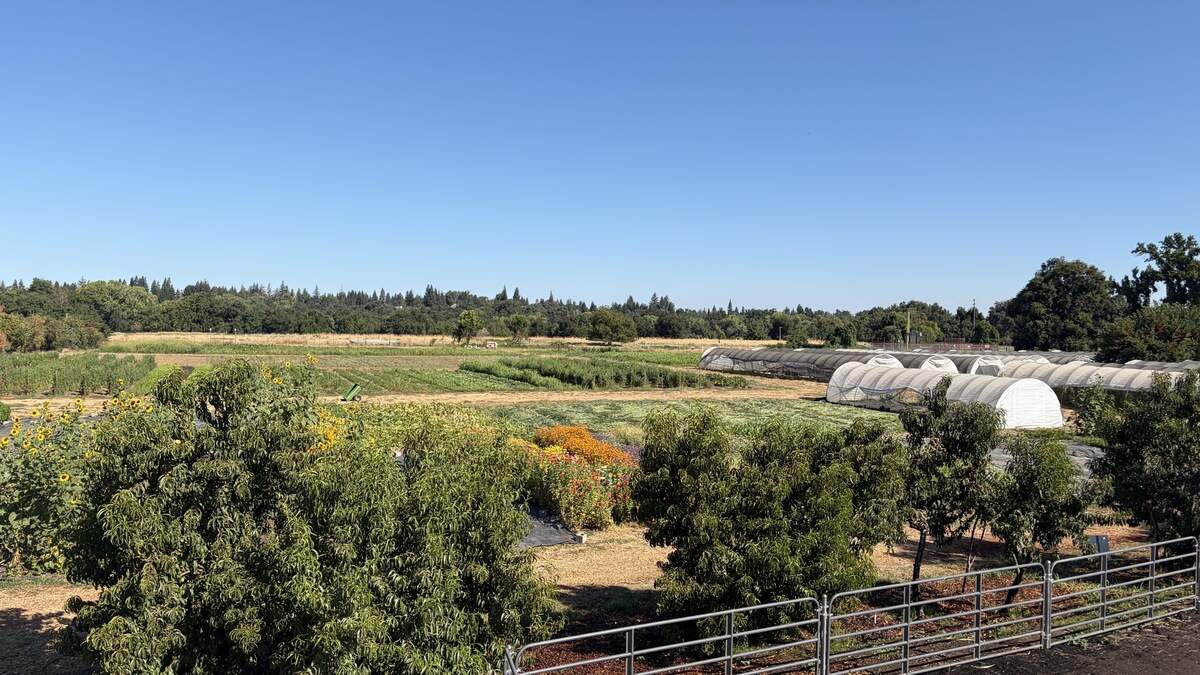
Along the American River Parkway in Rancho Cordova, an urban farm has spent more than two decades trying to make fresh food and environmental education more accessible across the capital region.
Read more El Dorado Hills union contract extension on track for board approval this week
Soil Born Farms Urban Agriculture & Education Project began in 2000 and later became a nonprofit before settling at American River Ranch, where it grows organic produce.
The 55-acre farm at 2140 Chase Drive is home to vegetable fields, fruit orchards, greenhouses, a native plant nursery and a herb garden, along with produce stands and a restored creek.
Soil Born Farms leases the land from Sacramento County. The property was never subjected to hydraulic mining during California’s Gold Rush and is now permanently protected.
That makes the farm one of the last working farms along the lower American River. It also has become a farm education center and public resource focused on sustainability.
» Rancho Cordova news in your inbox: Get our free email newsletter here
“As a community, we should be building resilience in our food system,” co-founder and Sacramento native Shawn Harrison said.
That starts with connecting food, health and the environment, he said, while teaching residents about sustainability and farming.
It also means recognizing that some communities in the area may not have easy access to fresh produce.
To work toward food equity, the farm offers hundreds of classes and workshops that teach people how to recreate gardens at home.
“We wanted to get more organic food in everyone’s backyard,” co-founder Janet Zeller said. “The fresher the produce is, the better it tastes, but also its more nutritionally dense.”
Other classes teach local residents how to cook with the produce they grow, Harrison said.
“If people don’t know what to do with the food they grow, we’re missing a key step,” Harrison said.
The farm’s 5-acre vegetable production field grows produce used in school lunches in the Sacramento City Unified School District, Harrison said. The farm also houses a model school garden designed to show districts how they could build gardens at their own campuses and teach students and teachers how to care for them.
Harrison’s goal is a “garden in every school” in the region, he said, as part of a farm-to-school pipeline that teaches students about food literacy and sustainable growing.
“The big picture of the farm is pathways for kids,” he said. “We’ve got to do our job as an architect of that pathway.”
A new animal barn comes to the farm
The farm recently added a new 3,700-square-foot animal barn, expanding the types of hands-on lessons the nonprofit can offer.
The project was awarded $2.9 million in funding through Rancho Cordova’s community enhancement and investment fund and the California Wildlife Conservation Board, according to a release. The barn includes animal pens, a chicken coop, storage and a walkway leading to an overlook with a vegetated roof.
Read more California just updated its speed limits in school zones. How slow should you go?
Animals at the farm will help manage weeds and restore native habitat, part of the farm’s broader regenerative agriculture work.
“Animals were the missing piece,” Harrison said.
The farm currently has a few sheep and chickens and will eventually expand the flocks with the help of students in local programs like Cordova High School’s agriculture academy, he said.
Farm’s microbusinesses provide stability, teach teens
The farm also is home to multiple microbusinesses that help fund the nonprofit’s activities, co-founder Janet Zeller said.
The farm is open to the public from 8 a.m. to 1 p.m. every Saturday, when visitors can shop at the organic produce stand, the greenhouse garden shop and the fruit tree nursery.
Coffee and baked goods from locally owned shops are available at Phoebe’s Tea & Snack Bar beginning at 9 a.m., and The Farmhouse Kitchen is open for brunch at 9 a.m.
Local farm goods, seeds, pantry staples and handmade items are also available at Milly’s Mercantile.
“The mercantile is focused around all local products, basic things people want, and then we’ve added in some tools for sustainable living,” Zeller said, including items like a saran wrap-replacement made using beeswax and wool dryer balls that can be used instead of single-use dryer sheets.
“We try to highlight other small businesses in our region that are doing great stuff with quality ingredients,” Zeller said.
Visitors in a rush can also order produce, seeds, baked goods and items from the mercantile online and use the farm’s drive-through order pickup on Saturdays. The pickup began as a way for the farm to sustain itself during the COVID-19 pandemic and continued after a positive response from customers.
Many workers at the microbusinesses are teenagers taking part in the farm’s empowerment program, where they learn customer service, cooking, farming and other life skills.
Zeller said the teenagers who work at the farm inspire her as she watches their confidence and farming skills grow through the hands-on, skill-building program.
“It’s meaningful to the teens,” Zeller said. “It draws young people of like minds. They can make new friends and be exposed to being outside and seeing fresh produce.”
The microbusinesses are “mission-aligned,” Zeller said, with each contributing to the farm’s broader goals.
“All these microbusinesses are meant to continue to educate and to continue to provide for our community,” Zeller said.
Harrison said he hopes people can take what they learn at the farm and “activate” it in their own backyards and neighborhoods.
“The goal is to empower you to make changes to your life,” Harrison said, “to care for the earth and care for our bodies.”
Read more Player lands ‘big’ six-figure poker jackpot at Sacramento-area casino